
 anxiety.co.za
Anxiety has become the quiet epidemic nobody wants to talk about honestly. We treat it like a personality quirk, being “a little anxious,” “a bit of a worrier,” or “just overthinking.” But anxiety isn’t a mood. It’s a survival system gone rogue. It’s your brain trying to protect you from danger that doesn’t exist anymore, and your body paying the price for a war that never ends.
In a world that rewards performance, speed, and productivity, anxiety has become invisible. It hides behind achievement, politeness, and control. And for many people battling addiction or navigating recovery, anxiety is the real shadow, the one that never leaves, even when the drugs do.
The Anxiety Epidemic
We’re living in a generation that’s more anxious than ever, yet less willing to admit it. Everyone’s busy, overstimulated, and permanently “on.” We wear exhaustion like a badge of honour. The truth is, we’ve normalised dysfunction. Being constantly alert, worried, or restless has become part of modern identity. If you’re not anxious, people think you’re not trying hard enough.
Society rewards the anxious, the ones who answer emails at midnight, who overthink every decision, who can’t rest because something “might go wrong.” We’ve mistaken anxiety for ambition. But anxiety isn’t drive. It’s fear in disguise. And beneath that polished exterior, there’s usually a body that’s one panic attack away from collapse.
The Biology of Fear
Anxiety isn’t just “in your head.” It’s a full-body reaction to a perceived threat, even if the threat isn’t real anymore. Your brain’s fear centre, the amygdala, doesn’t understand time. It only knows danger. When it detects a threat, real or imagined, it floods your system with adrenaline and cortisol, preparing you to fight, flee, or freeze.
This was useful when humans were escaping predators. But now, the “predators” are emails, bills, and relationship tension. Your brain sounds the alarm anyway. The problem is that modern life never gives you a chance to turn that alarm off. You wake up to notifications, traffic, deadlines, and bad news. The body stays tense, the breath shallow, the heart racing.
Telling someone with anxiety to “relax” is like telling a smoke alarm to stop ringing while the house is still full of smoke. Your body isn’t malfunctioning, it’s remembering. It’s protecting you from something that doesn’t exist anymore but still feels real.
The Hidden Link Between Anxiety and Addiction
Addiction and anxiety are old companions. One feeds the other. Many people don’t start using drugs or alcohol for pleasure, they use them for relief. Substances quiet the noise, slow the heartbeat, and give the illusion of control. For someone with constant anxiety, that feeling of calm is intoxicating.
A drink becomes medicine. A pill becomes peace. A hit becomes silence.
But the relief doesn’t last. The brain starts depending on the substance to regulate what it can’t regulate on its own. Soon, you’re no longer using to feel good, you’re using to stop feeling bad. That’s the cruel irony of addiction, it starts as a way to escape fear and ends up becoming the source of it. And when recovery begins, the anxiety that was numbed for years comes roaring back, raw, sharp, and overwhelming.
The Cultural Lie of “Just Cope Better”
Anxiety has a public relations problem.We treat it as something that can be fixed with mindset, yoga, or a podcast. We tell people to “just breathe,” “stay positive,” and “be grateful.” We hand out platitudes to people whose nervous systems are on fire. The culture of toxic positivity doesn’t help, it just adds shame to suffering. When you can’t “think positive” or “manifest peace,” you start believing you’re the problem.
And when anxiety meets recovery, the noise gets louder. The old coping mechanisms, alcohol, pills, workaholism, people-pleasing, no longer work, but the fear remains. Society doesn’t offer empathy. It offers performance: self-care as a brand, calm as an aesthetic. But anxiety isn’t a branding problem. It’s a survival response in a world that never lets you rest.
When Anxiety Becomes the Addict’s Twin
For many in recovery, sobriety doesn’t quiet the mind, it exposes it. Without substances, the anxious brain is left unfiltered, unmedicated, and wide awake. Suddenly, there’s nothing between you and your thoughts. No escape from the dread, the racing heart, or the 3 a.m. panic that something terrible is about to happen. Many relapses start here, not from craving, but from panic. The addict’s brain doesn’t want euphoria, it wants relief.
Recovery programs often focus on behaviour, staying clean, showing up, making amends. But until the anxiety underneath is addressed, sobriety can feel unbearable. Recovery doesn’t just mean detoxing from substances. It means learning to live with your own mind, and that’s a far harder challenge.
How Anxiety Pretends to Be Discipline
Anxious people rarely look “anxious.” They look capable, put-together, and in control. They’re the ones holding everything together while quietly falling apart inside. Control becomes their coping mechanism. They over-prepare, overthink, and overcommit, because chaos feels dangerous. If they can manage every detail, they won’t have to feel vulnerable.
But control is another addiction. It’s anxiety disguised as discipline. The body stays tense, the brain stays busy, and the person stays trapped, exhausted but unable to stop. If you’ve ever wondered why some people seem obsessed with perfection, it’s often because their mind only feels safe when everything else is predictable.
When Anxiety Turns Physical
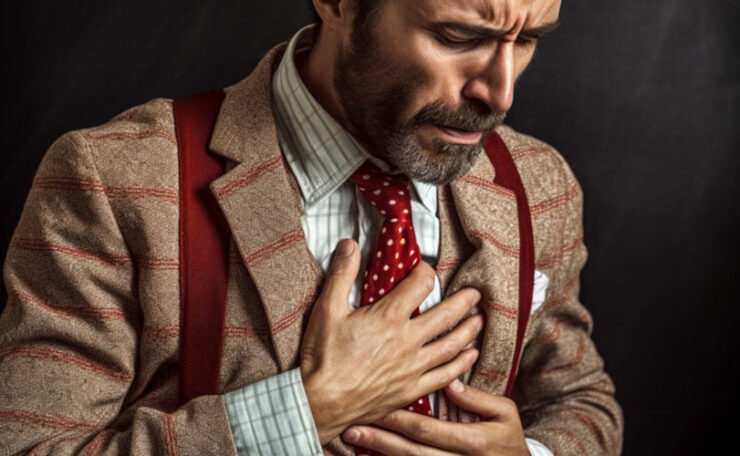
Anxiety doesn’t just live in your thoughts, it settles into your body. Over time, constant stress wrecks your immune system, hormones, digestion, and sleep. You start waking up tired, clenching your jaw, grinding your teeth. You think you’re sick, but you’re just stuck in survival mode. Panic attacks mimic heart attacks. Stomach pain mimics illness. Brain fog mimics burnout.
Your body becomes the storage unit for everything your mind won’t process. So when recovery asks you to “sit with your feelings,” it’s not just emotional work, it’s physical. You’re retraining a body that’s spent years braced for impact.
Medication, Therapy, or Both?
Anxiety treatment often sparks debate in recovery circles. Some believe medication compromises sobriety; others see it as essential. The truth lies in intention. Medication isn’t a shortcut, it’s a stabiliser. For some, antidepressants or anti-anxiety meds create the breathing room necessary for therapy to work. For others, they become another crutch.
The question isn’t “Is medication good or bad?” but “What am I using it for?” If medication helps you face life, it’s a tool. If it helps you avoid life, it’s a trap. The same goes for therapy. It’s not about analysing every fear, it’s about building tolerance for discomfort. Learning that panic won’t kill you, and that calm is not the absence of anxiety, but the ability to stay grounded inside it.
When Connection Feels Dangerous
Anxiety is lonely. Even surrounded by people, the anxious mind feels separate, too much, too weird, too fragile to be understood. Every interaction becomes a performance, smile, listen, appear fine. You say “I’m good” because the truth is complicated. You fear rejection more than isolation, so you stay quiet.
Connection becomes risky because vulnerability feels like exposure. And yet, connection is exactly what heals. The work is learning to trust again, to show up imperfectly, to let people see the mess. Not the curated version, not the “I’m fine” mask, the raw, honest truth. Because anxiety loses its grip the moment it’s spoken out loud.
Learning to Live Without the Emergency
Healing anxiety isn’t about erasing it. It’s about learning to live without turning every feeling into an emergency. The goal isn’t to never feel afraid, it’s to stop running from fear. Therapy, grounding exercises, movement, and mindfulness all help retrain the nervous system. But the real shift happens when you stop treating calm as weakness.
If you’ve lived in chaos long enough, peace will feel wrong at first. You’ll mistake it for boredom or danger. But eventually, the body learns. It realises it’s allowed to rest. You’re not broken, you’ve just been surviving too long. Anxiety isn’t a character flaw. It’s your body’s way of trying to keep you alive. But when that system never shuts off, life stops feeling like living and starts feeling like endurance.
In addiction, anxiety is the spark. In recovery, it’s the ghost that lingers. And for millions who’ve never touched a drug, it’s the invisible weight that makes every day harder than it looks. Healing doesn’t mean becoming fearless, it means no longer letting fear make your choices. It means understanding that control isn’t safety, perfection isn’t peace, and productivity isn’t worth your sanity.
The next time you feel your chest tighten, your mind race, your stomach drop, remind yourself: this isn’t weakness. It’s your body remembering danger that isn’t there anymore. You can thank it, breathe through it, and gently tell it the truth, you’re safe now.